Dubai Real Estate Market Overview:

Trends, Prices, and What to Expect Next

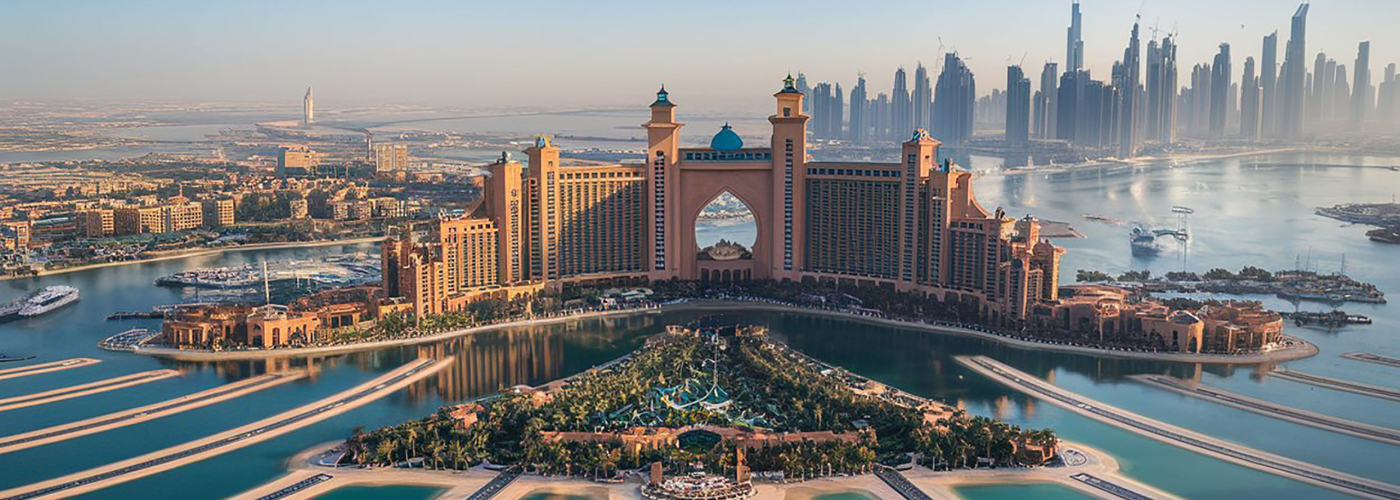
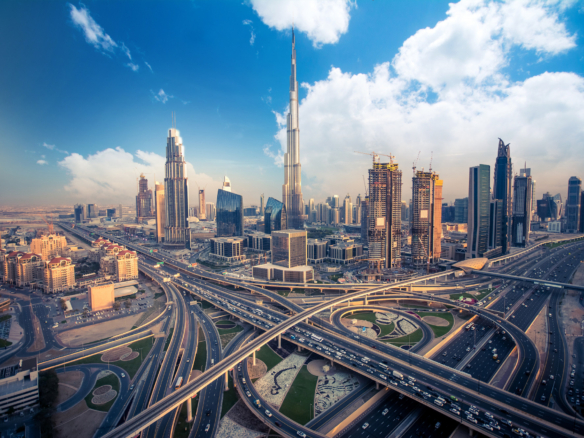
Dubai The Palm Jumeirah Island Atlantis Hotel panorama Marina aerial panoramic view photography UAE

Dubai’s real estate market has continued to stand out as one of the strongest and most resilient property markets in the world. Over the past few years, the city has experienced steady growth driven by economic stability, population growth, foreign investment, and government-backed initiatives designed to attract long-term residents and global investors.

In recent market cycles, Dubai has successfully transitioned away from short-term speculation and toward a more mature, data-driven real estate environment. This shift has created opportunities not only for high-net-worth investors but also for end users, first-time buyers, and long-term residents.

Market Performance and Property Prices

Dubai property prices have shown consistent upward movement across both apartments and villas. While growth rates have moderated compared to peak boom years, this is widely viewed as a healthy correction that supports sustainability rather than volatility.

Villas and townhouses have continued to outperform apartments due to limited supply, increased demand for larger living spaces, and lifestyle preferences that gained momentum after remote working trends. Apartments, particularly in well-connected communities and prime locations, remain attractive for both rental income and capital appreciation.

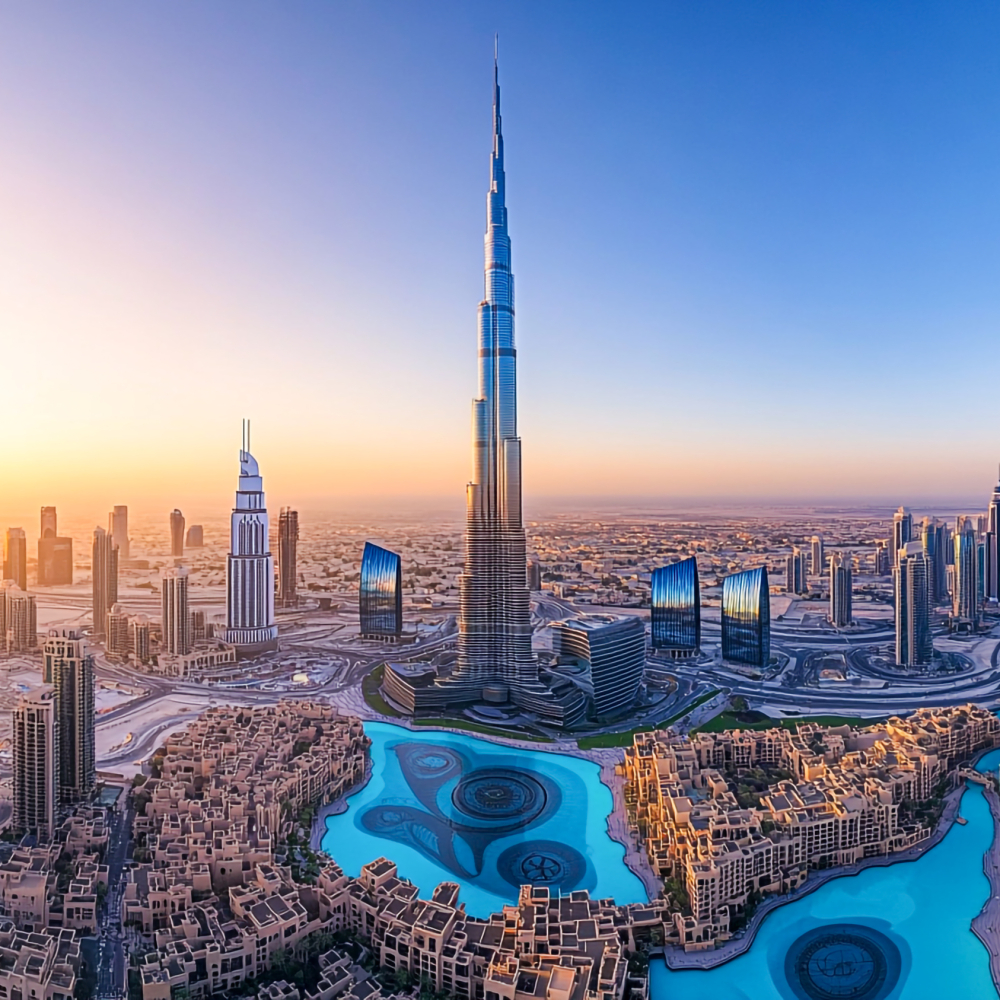
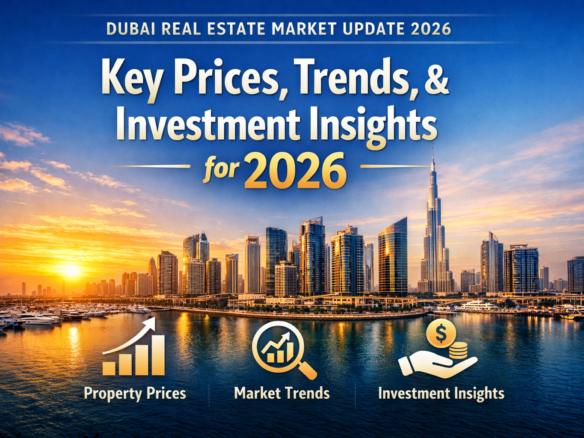
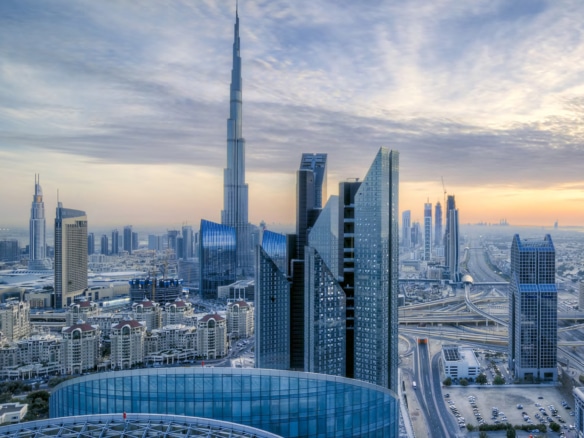
Panoramic View of Stunning Dubai Skyline Captured at Sunset with Burj Khalifa Dominating the Horizon
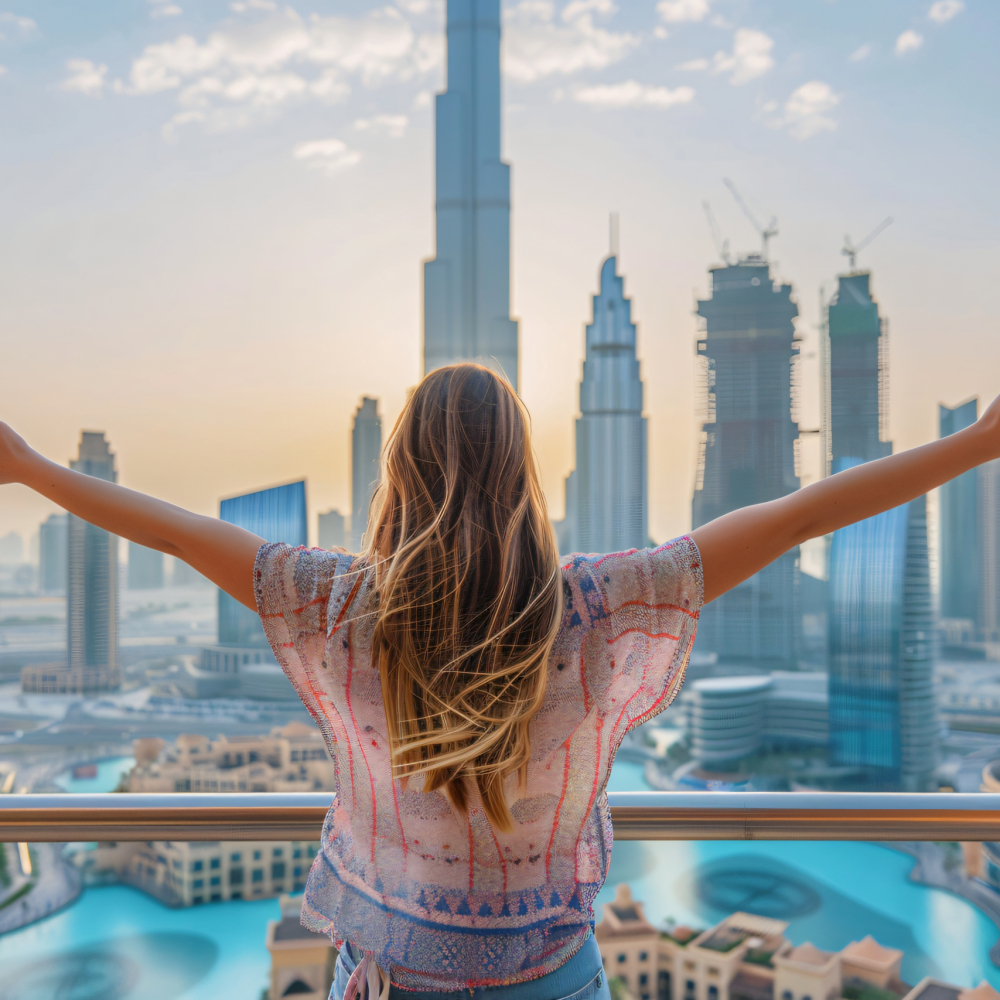
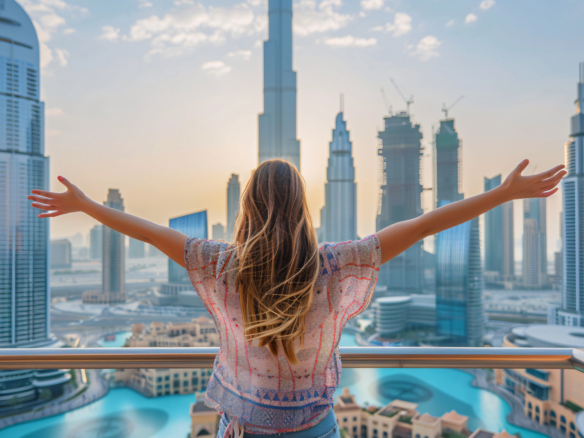
portrait-woman-visiting-luxurious-city-dubai

Rental Market Trends

The rental market in Dubai remains strong, supported by a growing population and an influx of professionals, entrepreneurs, and families relocating to the city. Rental yields in many areas remain among the highest globally, often ranging between 6% and 8% depending on the community and property type.

While rental price growth has slowed slightly, demand continues to exceed supply in popular residential districts. This has resulted in stable occupancy rates and predictable returns for landlords.

Supply and New Developments

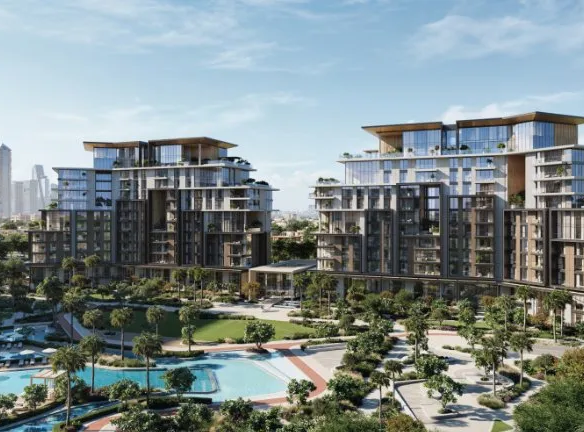
Dubai continues to deliver new residential projects, particularly in master-planned communities. However, project handovers often occur in phases, which prevents sudden oversupply. This controlled delivery helps maintain price stability while offering buyers a wide range of choices.

Off-plan properties remain especially popular due to flexible payment plans, modern designs, and competitive entry prices.

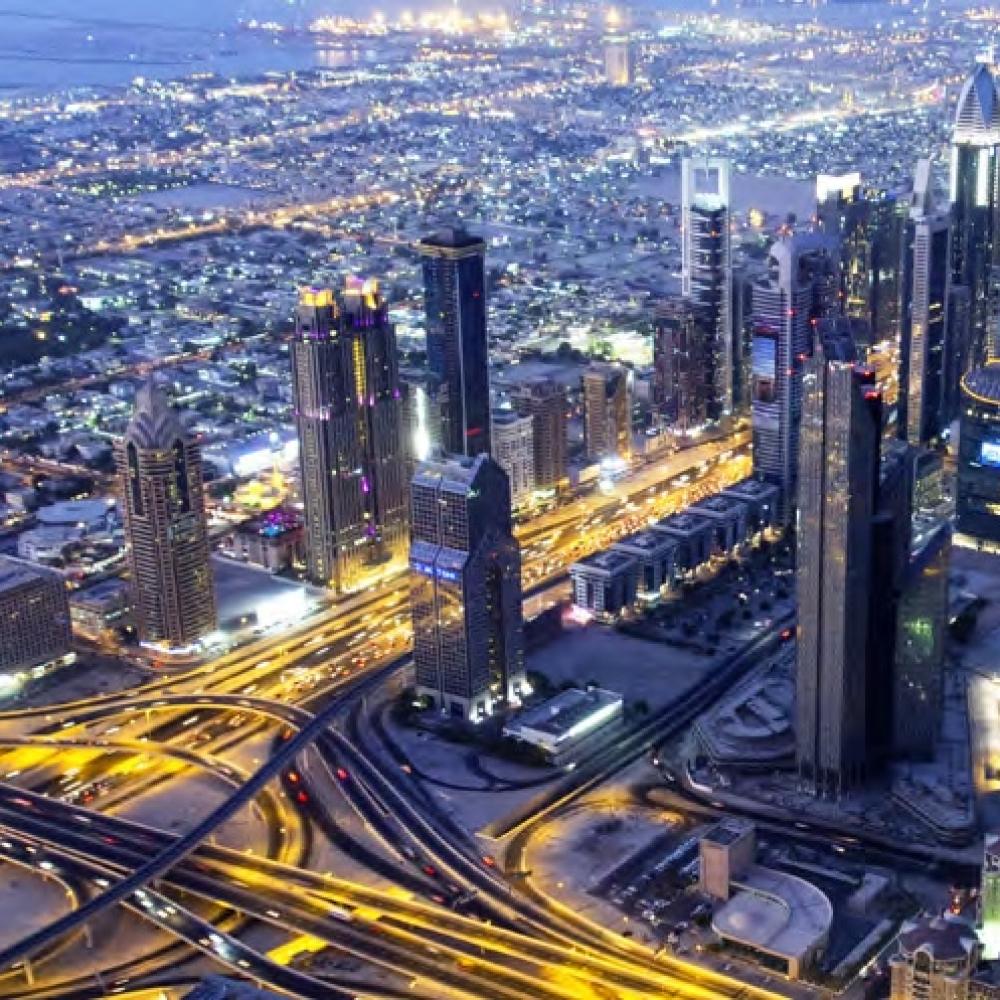
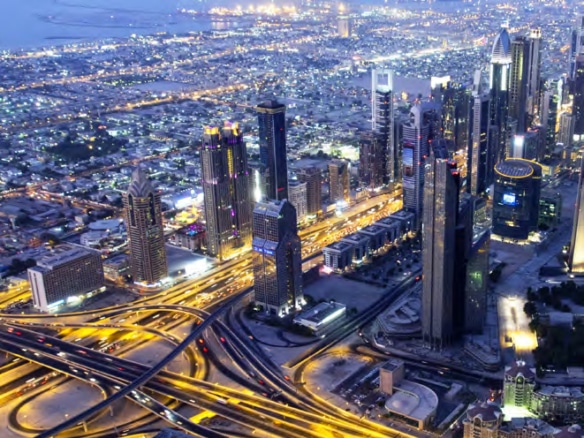
panoramic-views-dubai-city-illuminated-neon-spectrum
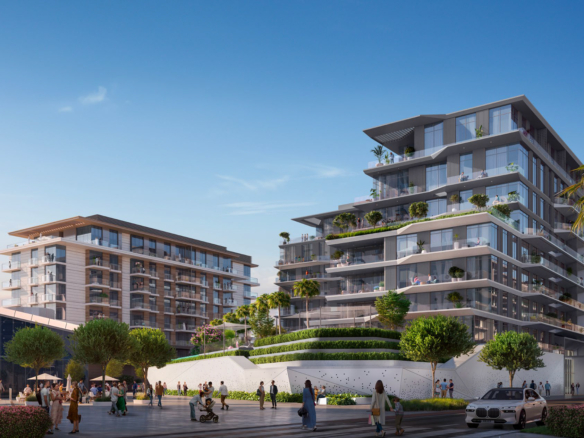
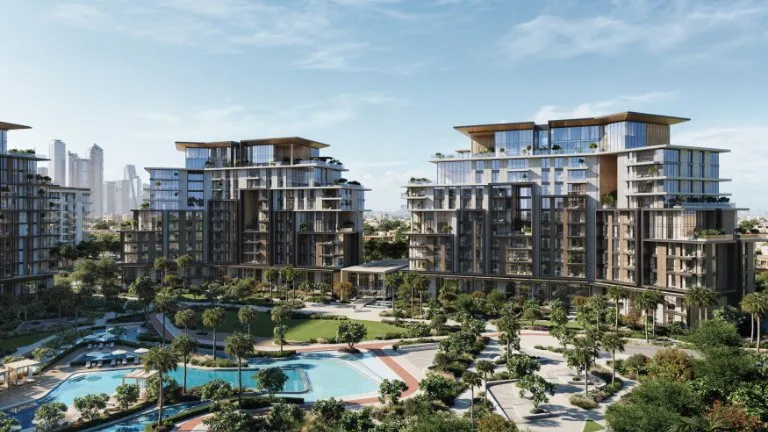
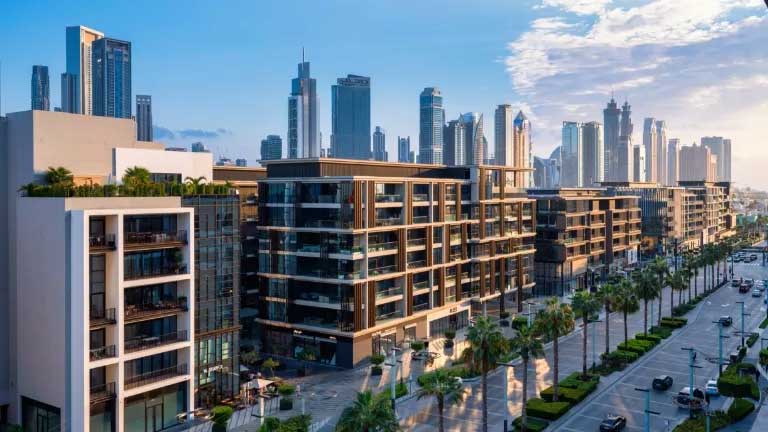
City Walk_Building 5_Brochure_3 (2)-4

Investor Confidence and Regulations

Investor confidence is supported by transparent regulations, digital property transactions, and investor-friendly laws. Long-term residency visas linked to property ownership have further strengthened Dubai’s appeal as a place to live and invest.